Rabat vs Salé: Crossing the Bouregreg — Which Side Wins?

Within the capital region · Twin-city comparison

Rabat vs Salé: Crossing the Bouregreg — Which Side Wins?

Rabat and Salé face each other across the Bouregreg estuary as twin cities with a shared history of corsairs and craft. Rabat is the polished royal capital; Salé is the older, more traditional medina across the water. Together they make one easy, rewarding day.

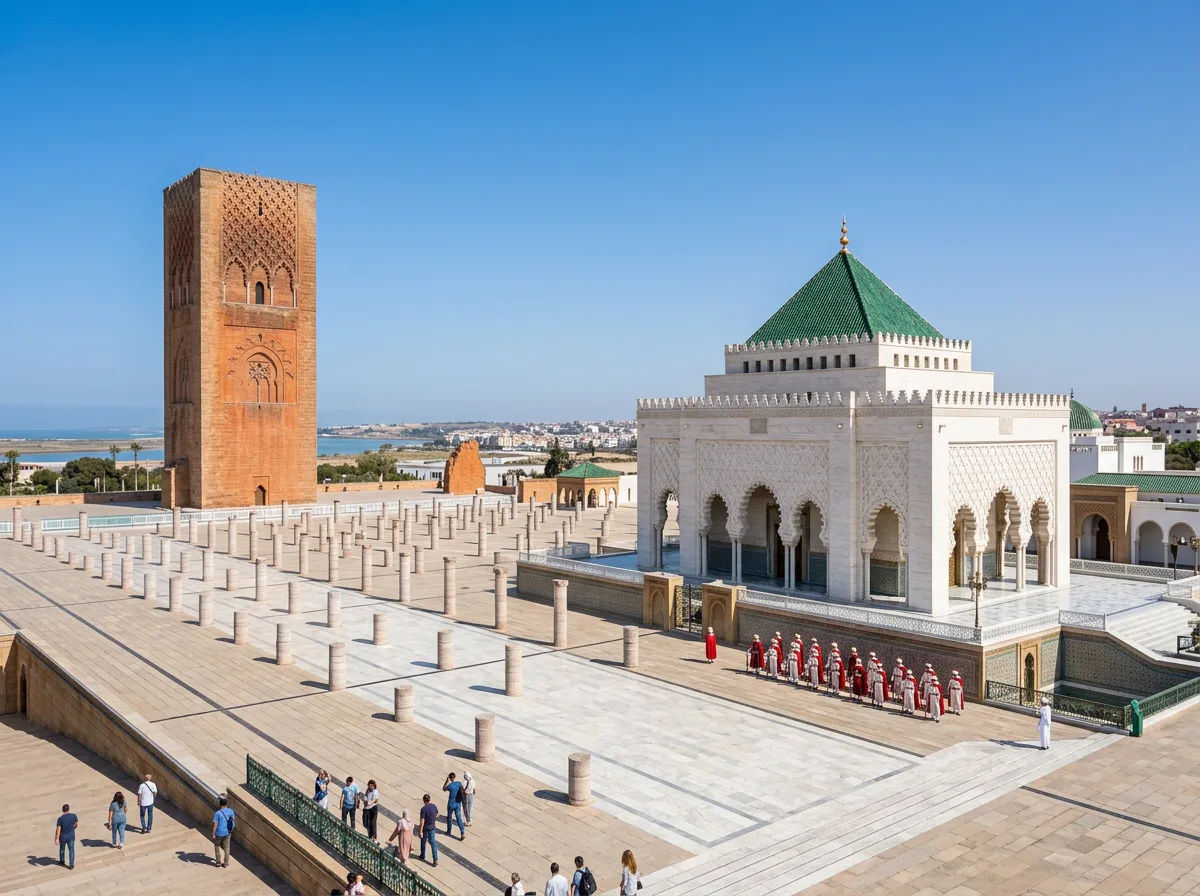
Rabat and Salé are inseparable twins divided by the Bouregreg river, and a short hop across the estuary takes you between two very different moods. Rabat, on the south bank, is the polished royal capital: the Kasbah of the Udayas, the Hassan Tower, the Mausoleum of Mohammed V and a confident grid of modern boulevards. Salé, on the north bank, is older and more traditional — a medina that once launched the feared Salé Rovers, the corsairs of the 17th century, and which today preserves a wonderful Merinid medersa, the Grande Mosquée and a workaday market life largely untouched by mass tourism. The two are connected by a bridge, a tram across the river, and small boats that ferry passengers over the estuary for a few dirhams. Rabat shows you the imperial set-pieces; Salé shows you everyday Moroccan medina life — and the boat ride between them is half the pleasure.

Option A

Rabat

The royal capital — monuments, the Udayas kasbah and modern boulevards

Best for

First-time visitors, monument seekers, those wanting the headline sights

Full guide

Option B

Salé

Rabat's older twin — a traditional medina, the Medersa and a Grande Mosquée

Best for

Off-the-tourist-track travellers, history lovers, authentic medina seekers

Full guide

Side-by-side breakdown

Rabat vs Salé

How the two stack up across the things that actually shape a trip — read down each column, or across each row.

RabatSalé
Rabat compared with Salé
RoleRabatThe royal and administrative capital on the south bankSaléThe older, more traditional twin city on the north bank
Signature sightsRabatKasbah of the Udayas, Hassan Tower, Mausoleum, ChellahSaléMedersa of Salé, Grande Mosquée, Bab Mrisa gate, the souks
AtmosphereRabatPolished, monumental, visitor-readySaléTraditional, lived-in, largely untouristed
Crossing the riverRabatDeparture point for the small estuary ferry boatsSaléReached by bridge, tram or a few-dirham boat across the Bouregreg
Shopping & craftsRabatGentle medina souks and capital-city boutiquesSaléTraditional craft workshops, especially pottery and matting
Tourist pressureRabatModerate but calmSaléVery low — authentic local rhythm
Time neededRabat1–2 days for the full set of monumentsSaléA half-day across the river is plenty
Best forRabatThe headline capital experienceSaléA glimpse of everyday Moroccan medina life

Our verdict

Which should you choose?

This is not really an either/or — Rabat and Salé are two halves of one estuary, and the best plan visits both. Spend your main time in Rabat for the monuments and the Kasbah of the Udayas, then take the short boat or tram across the Bouregreg to Salé for a half-day in its traditional, untouristed medina, the Merinid medersa and the craft workshops. The little ferry that shuttles between the two banks is one of the simplest pleasures in the capital region, and it turns a city visit into a story of twin cities.

Deep dives

Explore each destination in full.

FAQ

Frequently asked questions.

How do you get from Rabat to Salé?

Salé sits directly across the Bouregreg estuary from Rabat. You can cross by bridge, by the tramway that links the two cities, or — most charmingly — by the small passenger boats that ferry people over the river for a few dirhams.

Is Salé worth visiting from Rabat?

Yes, especially if you want a more traditional, untouristed medina. Salé preserves a beautiful Merinid medersa, the Grande Mosquée and a lively local market, and the short river crossing makes it an easy half-day addition to a Rabat stay.

What is Salé known for?

Salé is historically known as the home of the Salé Rovers, the corsairs who raided Atlantic shipping in the 17th century. Today it is known for its traditional medina, the Merinid Medersa of Salé, the Grande Mosquée and its craft workshops, particularly pottery and woven matting.

Can I visit both Rabat and Salé in one day?

Easily. Spend most of the day on Rabat's monuments and the Kasbah of the Udayas, then cross the Bouregreg by boat or tram to Salé for a half-day exploring its medina and medersa before returning.

Is Salé safe for tourists?

Salé is generally safe and welcoming, with far fewer tourists than Rabat's medina. Use the same sensible precautions you would in any busy market area, and the relaxed local atmosphere makes it an easy place to wander.

Ready to book?

Let a Rabat atelier build your itinerary.

Tell us which destinations you want to combine and we'll send a written itinerary and a transparent quote within 24 hours.

Keep comparing — all destination comparisons