On the southern edge of Rabat, out toward Témara, the Rabat National Zoo (Jardin Zoologique de Rabat) is one of Morocco's largest and most modern zoological parks. Reopened in its current form around 2012, it is laid out not by cages but by ecosystems — Atlas mountains, desert, savannah, wetlands and tropical forest — and is best known for its Atlas (Barbary) lions, descended from the former royal collection. Spacious, shaded and built for walking, it makes an easy half- to full-day outing for families. Here is what to find and how to plan a visit.
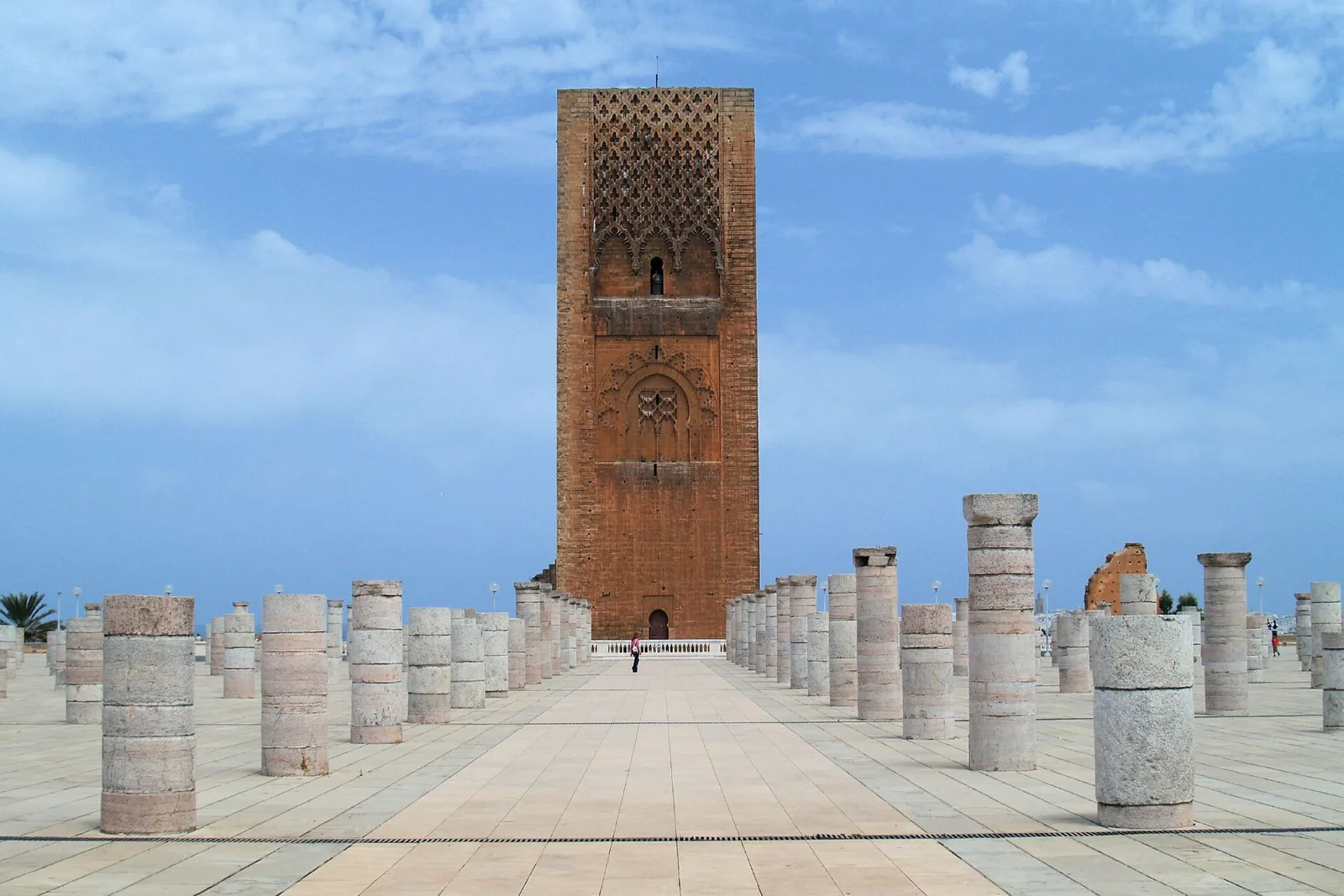
Hassan Tower seen along the tiled esplanade lined with stone columns under a blue sky, Rabat
10 experiences
The best of Rabat
01Nature
The Ecosystems Layout
Rather than rows of cages, the zoo is organised into themed zones representing North African and African habitats — the Atlas mountains, the desert, the savannah, the wetlands and the tropical forest — so a single loop takes you through several landscapes.
02Wildlife
The Atlas (Barbary) Lions
The zoo's signature animals are its Atlas lions, the North African subspecies considered extinct in the wild. Its lions are widely reported to descend from the former royal collection, and the park is associated with conservation efforts around this rare lineage.
03Nature
The Atlas Mountains Zone
A section devoted to Morocco's own fauna and the Atlas habitat, where native and North African species are presented in their regional context — a fitting introduction before the more distant African zones.
04Wildlife
The Savannah Enclosures
Open, grassland-style habitats are home to large African herbivores such as giraffes and other plains species, viewed across broad enclosures designed to give a sense of the savannah.
05Wildlife
Elephants & Large Mammals
Among the park's bigger residents are elephants and other large mammals. As with any zoo, the exact species on show can change over time, so it is worth checking what is currently on display.
06Wildlife
Big Cats & Primates
Beyond the lions, the collection includes other big cats and a range of primates, alongside reptiles such as crocodiles — a cross-section of African and tropical wildlife within the themed zones.
07Nature
Wetlands & Birdlife
A wetlands zone showcases waterbirds and aquatic species, adding flamingo-style colour and birdsong to the circuit and offering a calmer, greener pause between the larger enclosures.
08Family
Gardens, Paths & Picnic Areas
Wide, shaded walkways link the zones, with landscaped gardens, lawns and picnic spots along the way. The generous layout makes it comfortable for strollers and gives children plenty of room to roam.
09Family
A Family Day Out
With its mix of charismatic animals, open space and easy paths, the zoo is one of Rabat's most popular family attractions. Allow a half-day at least; keen visitors can spend most of a day working through every zone.
10Practical
Getting There from Central Rabat
The zoo sits on the southern outskirts of Rabat, toward Témara, a short drive from the centre. A taxi or car is the simplest way out; allow extra time at weekends, when it is busiest, and check current opening hours before you go.
Frequently asked
What is the Rabat National Zoo?
It is the Jardin Zoologique de Rabat, one of Morocco's largest modern zoos, on the southern edge of the city toward Témara. Reopened in its current form around 2012, it is organised by ecosystems — Atlas, desert, savannah, wetlands and tropical forest — and is best known for its Atlas (Barbary) lions.
Why are the Atlas lions important?
The Atlas, or Barbary, lion is the North African subspecies considered extinct in the wild. The zoo's lions are widely reported to descend from the former royal collection, and the park is associated with conservation efforts around this rare lineage — its main draw for many visitors.
How long do you need, and is it good for children?
Plan for at least a half-day; enthusiasts can spend most of a day seeing every zone. With wide shaded paths, gardens and picnic areas, it is very family-friendly and one of Rabat's most popular outings for children.
How do you get there and when is best to visit?
It lies on the southern outskirts of Rabat toward Témara, an easy taxi or car ride from the centre. Cooler morning or late-afternoon hours are most comfortable, especially in summer. Check current opening hours and admission before you go, as details can change.
See it with a local
Turn this into a private Rabat trip.
We'll build a private, guided plan around the experiences you care about — with a driver, hand-picked riads and a written quote within one working day.