2 days
The blue city & the Rif
Chefchaouen and the Akchour gorge: two days in the Rif, with a hike to the waterfalls or God's Bridge in Talassemtane National Park.
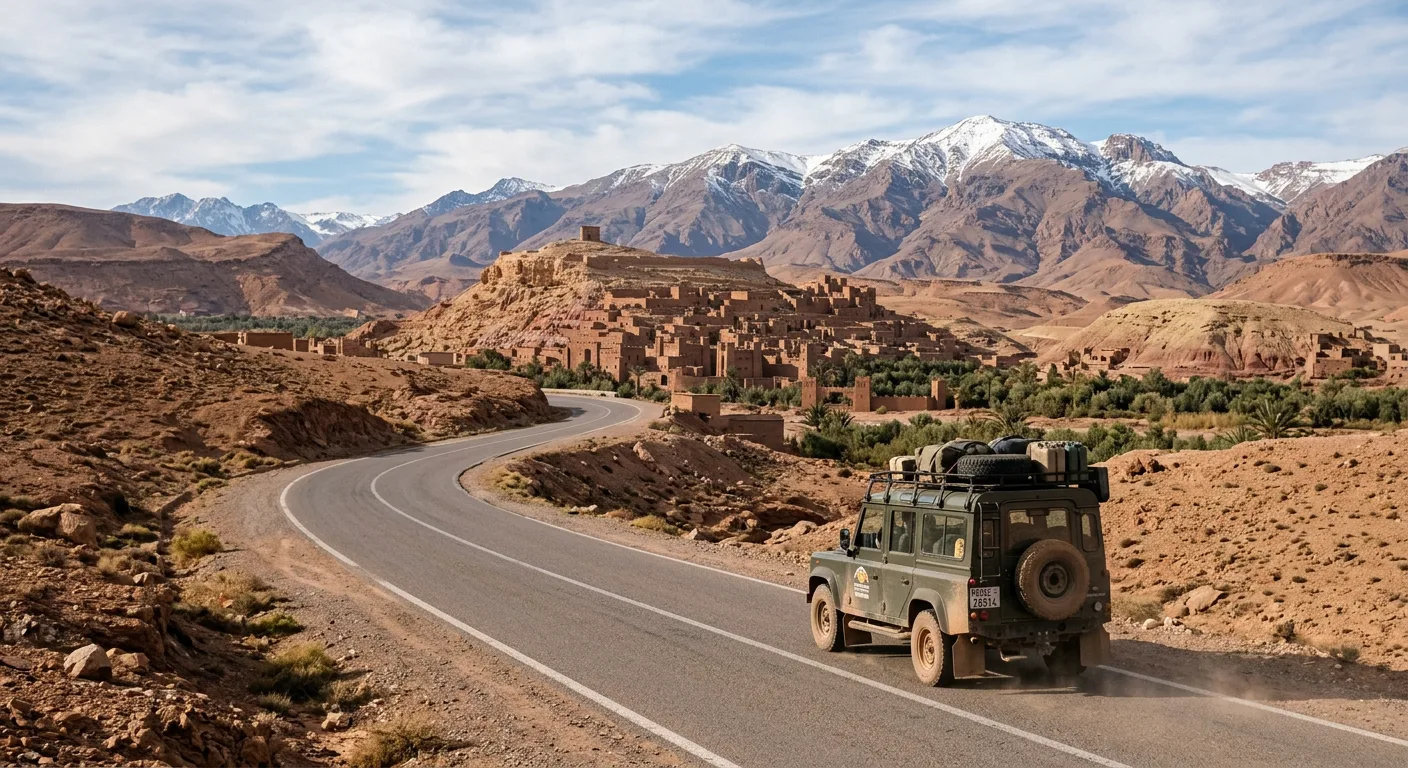
Rif mountains · Talassemtane National Park
On a northern leg far from the capital's coast, Akchour is the Rif's finest day hike — emerald falls, the God's Bridge arch and a forested gorge near Chefchaouen.
Best time
April–June and September–October (waterfalls are strongest March–May; avoid July–August heat and summer crowds)
Recommended
Day hike from Chefchaouen
Airport
Tangier Ibn Battouta (TNG) + 2h30 drive via Chefchaouen
Region
Rif mountains · Talassemtane National Park
Why Akchour
Akchour belongs to a northern leg far from the capital's Atlantic light — a small village at roughly 500 m in the Talassemtane National Park, about 30 km north-east of Chefchaouen in the western Rif, reached on a committed northern excursion from a Rabat base rather than a day out from the coast. The village sits at the confluence of the Oued Farda and a smaller tributary and serves as the trailhead for two well-established day hikes through the national park: the lower route to the cascades (a 5–6 km return to a series of waterfalls in a limestone gorge), and the longer upper route to the Pont de Dieu — a natural limestone arch spanning the river, formed by the collapse of a cave roof over thousands of years. Talassemtane National Park covers 58,950 hectares of the Rif range, protecting one of the last significant stands of Moroccan fir (Abies marocana) in North Africa as well as populations of Barbary macaque, eagle owl and short-toed snake eagle.
What to see
Pont de Dieu (Bridge of God) is a natural limestone arch spanning the Oued Farda gorge, formed over millennia by the collapse of a cave roof. The arch sits roughly 7–8 km from the Akchour trailhead on the upper trail — a 3–4 hour return hike through the gorge, with river crossings and sections of scrambling. The arch is approximately 25 m wide and frames the valley and sky in a composition that makes it one of the most photographed natural formations in the Rif.
The lower trail from Akchour village follows the Oued Farda upstream through a narrowing limestone gorge for about 2.5 km to the first cascade — a 20 m waterfall feeding a clear turquoise pool suitable for swimming in summer. The path continues to higher cascades; the round trip to the main falls is 5–6 km and takes about 2.5–3 hours at a relaxed pace.
The gorge trail passes through one of the most biodiverse forest ecosystems in northern Morocco: Moroccan fir (Abies marocana), Atlas cedar, Rif oak and Aleppo pine shade the path, with populations of Barbary macaque moving through the canopy above. Talassemtane is a UNESCO Biosphere Reserve.
The pools below the Akchour falls — particularly the main pool at the first cascade — are crystal-clear, cold and deep enough for swimming from May to September. Local guides at the trailhead operate simple cafés and can direct hikers to the best pools beyond the main fall.
Itineraries
Every itinerary below is privately operated, fully customisable, and includes a deep stop in Akchour. Click any tour for the day-by-day plan, the map, dates and pricing.
Chefchaouen and the Akchour gorge: two days in the Rif, with a hike to the waterfalls or God's Bridge in Talassemtane National Park.
A private day from Chefchaouen to the Akchour waterfalls and Pont de Dieu — the Rif's finest gorge hike.
Before you go
Concierge
Tell us your dates, group size and pace. We'll send back a written proposal within one working day — private guides, transfers, riads, the lot.
Request a proposalFAQ
The upper trail to Pont de Dieu is moderate — about 7–8 km each way (14–16 km return), with some scrambling over rocks and several river crossings on stepping stones. It takes 3–4 hours each way and is suited to fit walkers with good shoes. The lower falls trail is considerably easier and suitable for most active visitors.
Yes — the main pool below the first cascade is the most popular swimming spot, clear and cold even in summer. Local café owners at the trailhead can advise on current water levels and conditions. The pools are best June–September; water is very cold March–May from snowmelt.
The main trail to the lower falls is well-marked and does not strictly require a guide. The upper trail to Pont de Dieu is less clearly signed in places and benefits from a local guide, particularly for the river crossings and the final approach to the arch. Guides at the trailhead charge approximately 150–200 MAD for the lower trail, more for the full day to God's Bridge.
April through June is ideal — the waterfalls are at full flow from winter and spring rain, the forest is green, and temperatures in the gorge are comfortable for hiking (18–26°C). September and October are also excellent. July and August bring the largest crowds and the hottest conditions; the falls are reduced but swimming is at its best.
Closest destinations
These destinations are closest to Akchour — easily combined on a private itinerary.
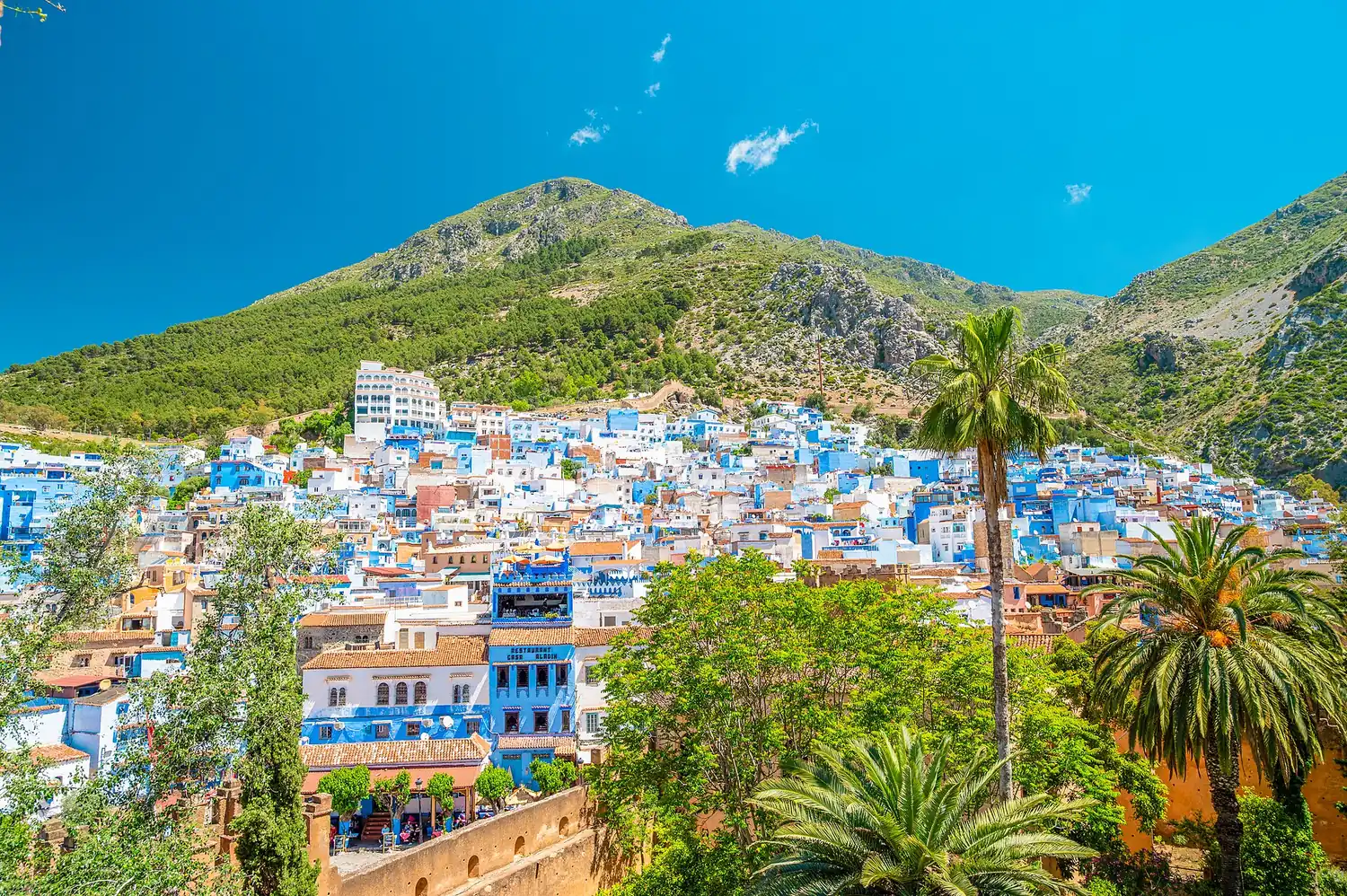 13 km
Morocco's blue pearl — a 15th-century mountain medina painted in cobalt and lime, deep in the Rif north of the capital.
Explore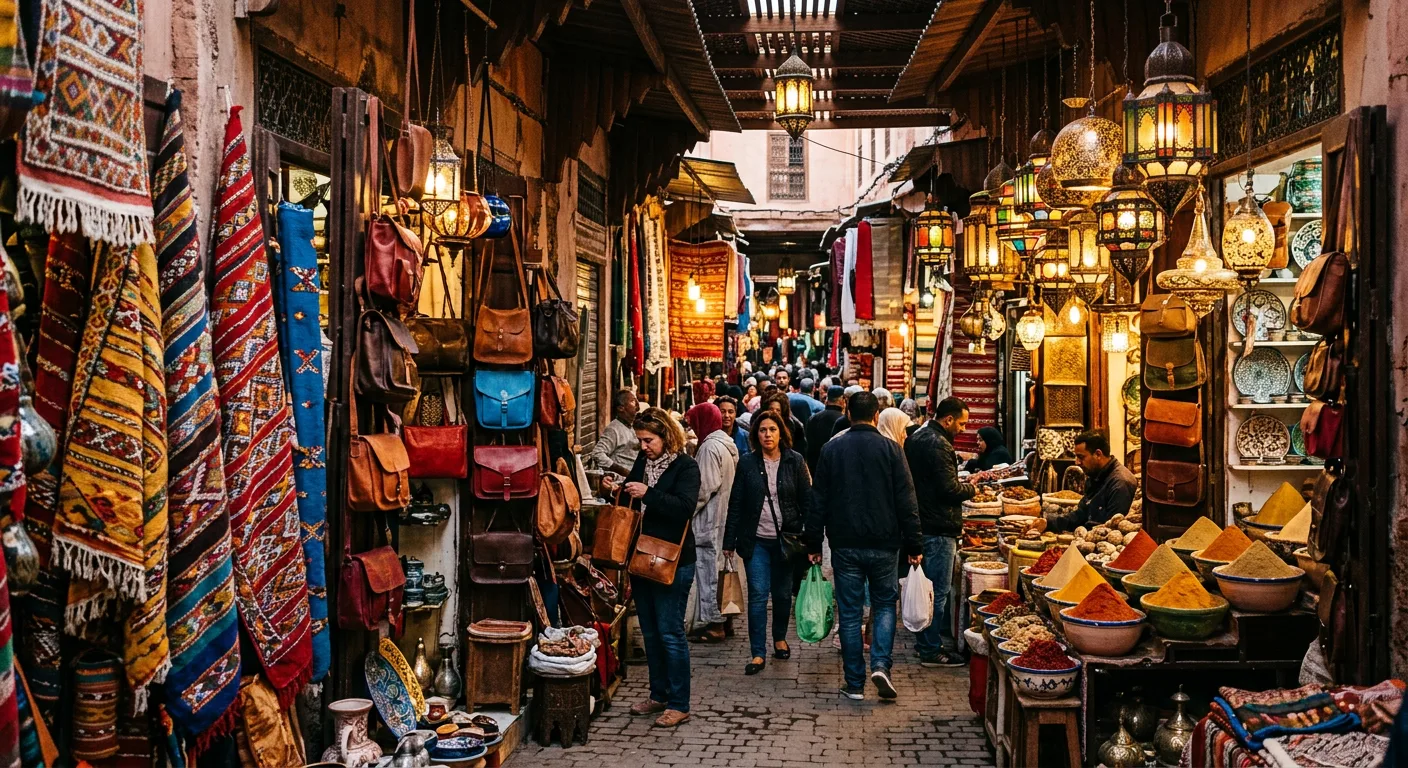 46 km
A northern excursion from the capital via Tangier, Tétouan is Morocco's Andalusian city — a UNESCO medina of whitewashed lanes and Iberian heritage.
Explore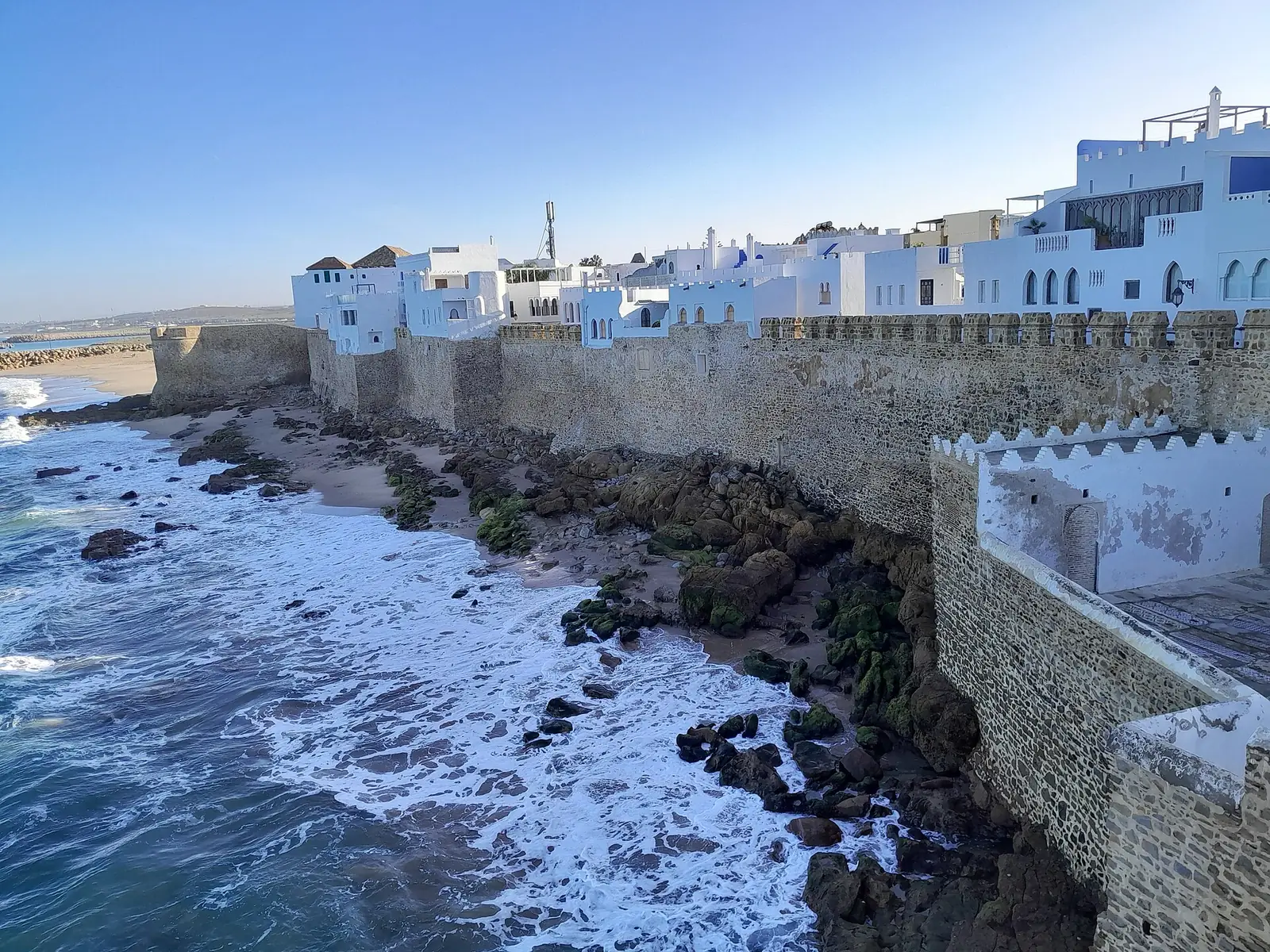 86 km
A whitewashed Atlantic art town — Portuguese ramparts, painted murals and a calm, walkable medina near Tangier.
ExploreRead more
Travel notes and practical guides to plan your time around Akchour.