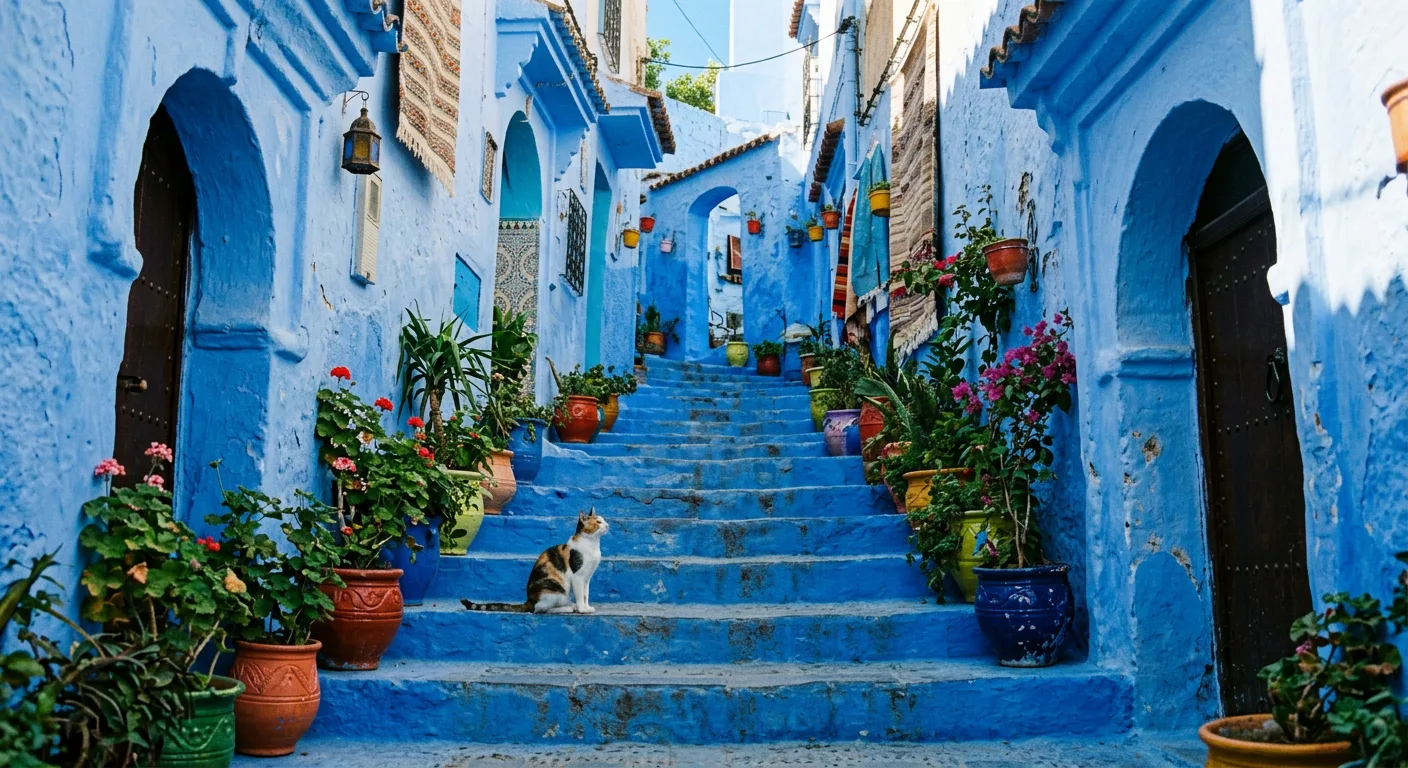
We get this question a lot, and for Rabat the short answer is an easy yes. As Morocco's administrative capital, Rabat is calm, orderly and one of the lowest-hassle cities in the country — frequently the one Moroccans themselves call the most relaxed. The longer answer, worth reading, is about how to travel well anywhere in Morocco. Here is what we tell our guests honestly, without the marketing gloss.
What does the official travel advice actually say?
As of 2026, both the UK Foreign, Commonwealth & Development Office (FCDO) and the US State Department rate Morocco's main destinations — Rabat firmly among them — as exercise normal precautions, the same rating applied to France, Spain and Portugal. The caution level rises only near the Algerian border and certain Saharan border areas, far from the capital and the standard tourist circuit.
Rabat, as the seat of government, has a notably visible and professional police presence, and tourist police operate in the medina and at the main sights. This is a calm, secure city by any international comparison.
Is it safe for women travelling alone?
Rabat is one of the easiest Moroccan cities for solo female travel. The atmosphere is relaxed, the medina compact and unthreatening, and the persistent attention that can wear people down in the big tourist medinas is far milder here. What attention there is tends to be verbal and infrequent; physical crime against tourists is genuinely rare.
Practical measures that help anywhere in Morocco: dress modestly in the medina (a light layer over bare shoulders costs nothing); walk with intent; book accommodation where staff know your name and plans; save your host's WhatsApp number; and use the official taxi rank. With these basics in place, the great majority of solo women we have hosted in Rabat report wholly positive experiences.
What scams should you know about?
Rabat sees very few of the aggressive set-ups found elsewhere, but a handful are worth knowing across Morocco:
- The helpful guide: a local offers to walk you somewhere "for free," then asks for payment. Decline unsolicited offers; your riad can arrange a licensed guide.
- Unofficial taxis: unlicensed drivers at the station or airport. Use the official petit-taxi rank, insist on the meter ('le compteur'), or pre-book a transfer.
- The tea-and-pressure routine: a shop invites you in for mint tea, then applies pressure to buy. Tea is genuine Moroccan hospitality; accept if you want to browse, leave politely if not.
- Over-the-odds prices: simply agree taxi fares and craft prices before committing — Rabat's bargaining is gentle and rarely contentious.
None of these involve force. They work on politeness, not threat. A calm, firm "no thank you" is always enough.
Getting around safely
Rabat is built for easy movement: a walkable medina, wide boulevards, the modern tram linking the capital with Salé, and metered blue petit taxis. The river crossings to Salé — tram, taxi or the traditional rowing boats — are all safe and well used. Walking by day and into the evening is comfortable across the central districts. As anywhere, keep normal awareness of your belongings in busy markets and after dark.
Because Rabat sits on the main rail line, day trips to Casablanca, Meknès or Fes are simple and safe by train, making the capital an excellent low-stress base. See our destination overviews for what is reachable.
What health precautions are worth taking?
Routine vaccinations — tetanus, hepatitis A — are recommended; discuss hepatitis B and typhoid with your GP for longer stays. Tap water in Rabat is treated but variable; drink sealed bottled water and avoid ice at informal stalls.
Restaurant food in Rabat is generally very safe, and the Atlantic seafood is a highlight. Mild stomach upsets in the first days usually come from unfamiliar spices rather than infection. Pack oral rehydration sachets and antihistamine, and carry prescription medicine in its original box. Travel insurance with medical cover is essential — Rabat has good private clinics, and Casablanca's larger hospitals are an hour away by train.
Our honest bottom line
Rabat is among the calmest, safest and most civilised cities in Morocco — a place that rewards curiosity with very little friction. The risks are real but proportionate, lower than in most large city destinations. We have run private trips here for years, and guests consistently leave surprised by how easy and pleasant the capital is. If you would like a trip designed for comfort and on-call support, we are here to help.
For further reading, see our Morocco travel guides and destination overviews.
Frequently asked
Is Rabat safe for solo female travellers in 2026?
Yes — Rabat is one of the easiest cities in Morocco for solo women. As the administrative capital it is calm, orderly and far less hassle-prone than the heavy-tourism medinas. Verbal attention exists but is mild and infrequent; physical crime against tourists is rare. Modest dress in the medina, walking with purpose, and a firm 'la shukran' (no thank you) deflect almost everything.
What are the most common scams in Rabat?
Rabat sees very few of the aggressive set-ups found elsewhere. The minor ones to know across Morocco: a 'helpful local' who walks you somewhere then asks for payment, an unlicensed taxi at the station, or a shop tea-and-pressure routine. None involve force. Use the official petit-taxi rank or insist on the meter, decline unsolicited guiding, and you will rarely encounter trouble.
Is it safe to use taxis and the tram in Rabat?
Yes. Rabat's blue petit taxis are metered and cheap — ask the driver to use the meter ('le compteur') or agree the fare first. The tram linking Rabat and Salé is safe, modern and inexpensive. For airport and station transfers, use the official rank or pre-book through your accommodation rather than accepting offers from touts.
What health precautions should I take before visiting Rabat?
Routine vaccinations (tetanus, hepatitis A) are recommended; discuss hepatitis B and typhoid with your GP for longer stays. Tap water in Rabat is treated but quality varies — drink sealed bottled water and avoid ice at informal stalls. Restaurant food is generally very safe. Carry a small kit with oral rehydration salts and antihistamine, and any prescription medicine in its original box.
Has the safety situation in Morocco changed for 2026?
Morocco remains one of the most stable, tourist-friendly countries in the region, and Rabat — as the seat of government — is among its calmest cities, with a visible police presence. Standard UK FCDO and US State Department advice rates the main tourist areas, Rabat included, as 'exercise normal precautions', the same as many European destinations.
Should I buy travel insurance for Morocco?
Yes — always. Look for a policy that covers medical care and evacuation. Rabat has good private hospitals and clinics, and Casablanca's larger facilities are just over an hour away by train. A mid-range policy of US$40–80 for a two-week trip is usually sufficient; declare any pre-existing conditions.
Travelling with peace of mind
We've got your back from door to door.
Every Rabat Tours trip includes 24/7 WhatsApp support, vetted licensed guides, pre-screened accommodation and pre-arranged transfers — so you can focus on the experience, not the logistics.
Request an itinerary